

Companion Care for Seniors in Arizona — Because Connection Is Care
Loneliness is not a feeling to push through — it is a health crisis. Social isolation in older adults is linked to cognitive decline, depression, weakened immunity, heart disease, and a significantly shorter lifespan. Valleywide Home Care provides professional companion care throughout the West Valley — bringing genuine human connection, meaningful activity, and consistent presence to seniors who need more than just help with tasks.
Companion Care Is a Health Intervention — Not a Nice-to-Have
Companion care is often misunderstood as a luxury — something families arrange when they feel guilty about not visiting enough. That framing underestimates what companion care actually does. It is a clinically significant intervention that addresses one of the most serious and underrecognized health threats facing older Americans: social isolation and loneliness.
The U.S. Surgeon General declared loneliness an epidemic in 2023, with health consequences comparable to smoking 15 cigarettes per day. For seniors — particularly those who have lost a spouse, can no longer drive, or live far from family — isolation is not a temporary inconvenience. It is a daily reality that accelerates cognitive decline, deepens depression, suppresses immune function, and increases the risk of early death.
Companion care provides what no medication can — a consistent human presence, genuine conversation, shared activities, and the experience of being known and valued. Our companion caregivers don’t arrive to check boxes on a task list. They arrive to be present — to listen, laugh, remember, explore, and connect with the person in front of them.
This is different from the existing Companionship service we offer as part of our standard care package. Companion care as a specialty service is a dedicated, relationship-focused engagement where connection — not task completion — is the primary purpose and the primary measure of success.


What Companion Care Actually Looks Like Day to Day
Every companion relationship is unique — built around the client’s personality, interests, history, and what brings them joy. Here’s a sample of what our companion caregivers do during visits:
Signs Your Loved One Is Experiencing Loneliness or Isolation
Seniors rarely say “I’m lonely.” They show it in other ways — and families often miss the signs until health has already begun to decline.
Television as Primary Company
When the TV is on all day not for entertainment but for background noise and the sound of human voices, it’s a sign that genuine social connection has become absent from daily life.
Prolonged Phone Calls
When a senior calls family members repeatedly throughout the day or stays on the phone for hours, they’re communicating a need for connection that isn’t being met in their immediate environment.
Increasing Sadness or Depression
Low mood, tearfulness, loss of interest in previously enjoyed activities, or verbal expressions of feeling forgotten or unloved are serious signals that emotional needs are going unmet.
Cognitive Decline Accelerating
Social engagement is one of the strongest known protective factors against dementia. When isolation sets in, cognitive decline often follows — and conversely, regular meaningful social interaction can slow it.
Not Leaving the Home
When a senior stops going out — even for simple errands or short walks — it narrows their world dramatically. Companion care brings both in-home engagement and the motivation and support to venture outside again.
Eating Less or Skipping Meals
Seniors who eat alone often lose interest in preparing or eating food. Sharing mealtimes with a companion restores the social dimension of eating — one of its most fundamental human aspects.
Abandoning Hobbies and Interests
Giving up gardening, card games, crafts, reading, or other hobbies — especially when those activities require a partner or audience — signals that the social infrastructure that made those activities enjoyable has collapsed.
Frequent Physical Complaints
Research shows lonely seniors visit doctors more frequently, report more pain, and experience more physical symptoms than connected seniors with equivalent underlying health conditions. Loneliness manifests physically.
How Valleywide’s Companion Caregivers Make a Difference
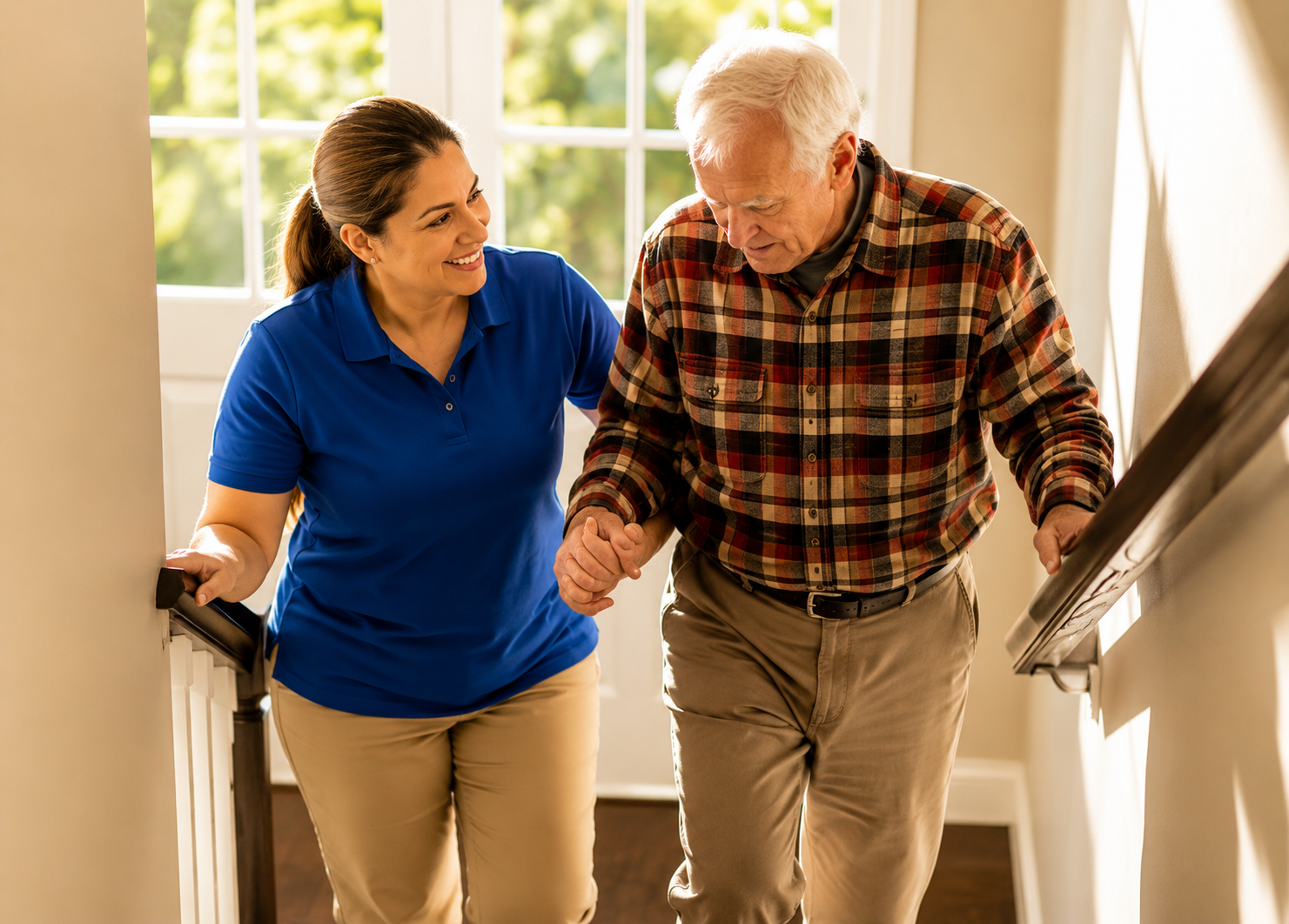
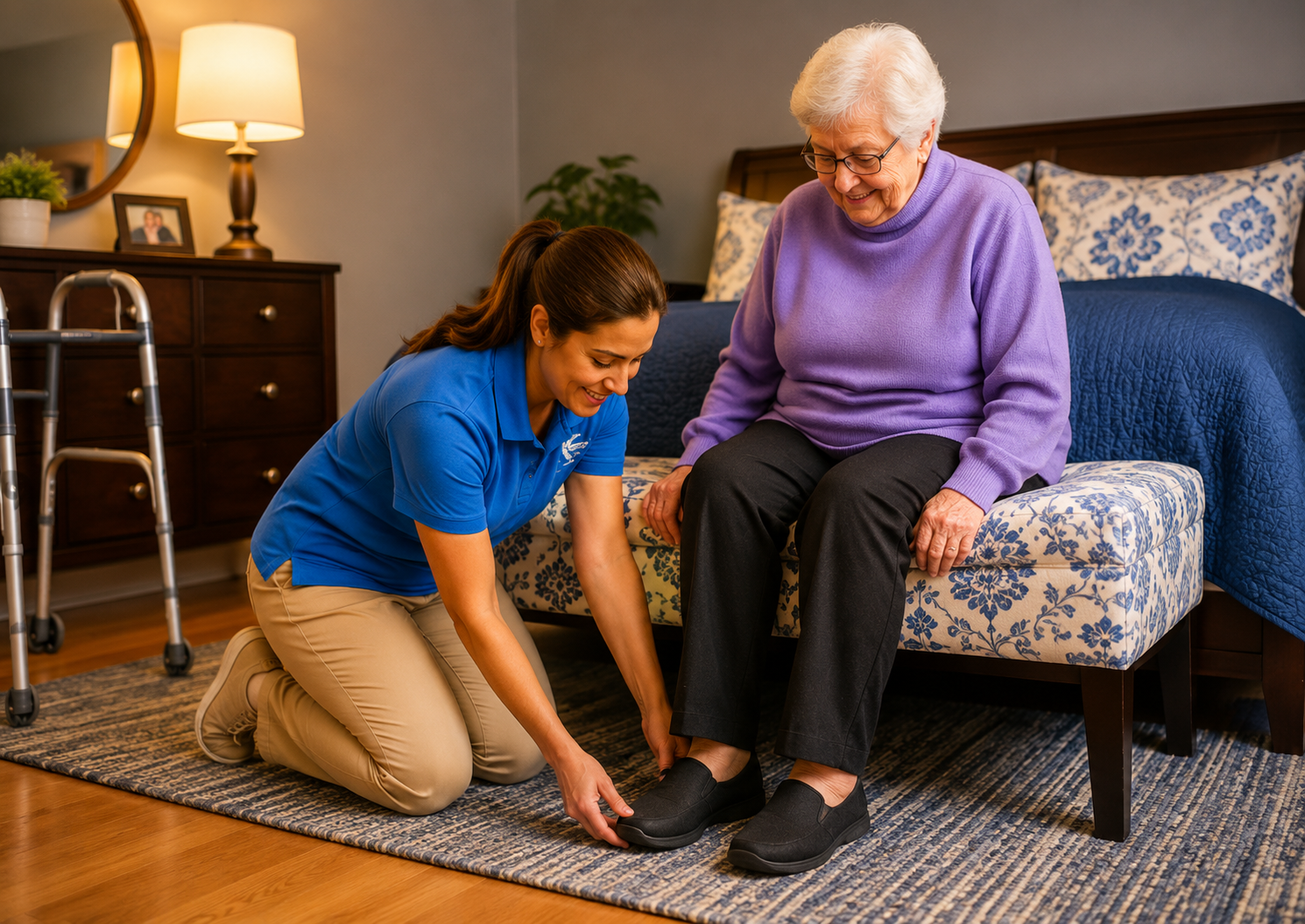
Companion care from Valleywide is more than scheduled visits — it’s a genuine relationship built over time, rooted in respect for who your loved one is and what they care about.
The Best Companion Is One Who Actually Cares
There’s a significant difference between a caregiver who shows up and sits across the room, and one who leans in — who asks about the photograph on the mantle, who remembers that Tuesday is when the grandchildren call, who brings the right card game because they know your loved one always wins at rummy.
At Valleywide, we invest time in understanding who each client is before the first visit. We match companion caregivers based on personality, interests, and communication style — not just availability. And we keep those matches consistent, because genuine relationships take time to build and are worth protecting.
Find the Right Companion →Why Families Choose Valleywide for Companion Care in Arizona
Companion care only works if the companion is the right person. Here’s how we make sure they are.
Personality-Based Matching
We don’t assign companions based on schedule availability. We take time during the free assessment to understand your loved one’s personality, communication style, interests, and sense of humor — then match them with a caregiver who is a genuine fit. Chemistry matters in companion care.
Consistent Caregiver Assignment
Relationships built on consistency — seeing the same familiar face, continuing conversations from the last visit, building shared references and inside jokes — are far more therapeutic than a rotating roster of different caregivers. We prioritize caregiver consistency for every companion client.
Family Updates After Every Visit
We report back to families after companion visits — mood observed, activities completed, anything notable said or done, and any changes in behavior or wellbeing worth knowing about. You stay connected to your loved one’s day even when you can’t be there.
Fully Vetted — Every Single Companion
Every Valleywide companion caregiver has passed comprehensive background checks, fingerprint clearance, CPR certification, and HIPAA training. Warmth and trustworthiness go together — and we verify both before anyone enters your loved one’s home.
Frequently Asked Questions
Common questions from families exploring companion care for a loved one in Arizona.
Ready to Bring Meaningful Connection into Your Loved One’s Life?
Schedule a free, no-obligation in-home assessment and let’s talk about what companion care could look like for your family. We’ll take time to understand who your loved one is — and find the right person to spend time with them.
Schedule Free Assessment → 📞 Or call us: (480) 808-9919